
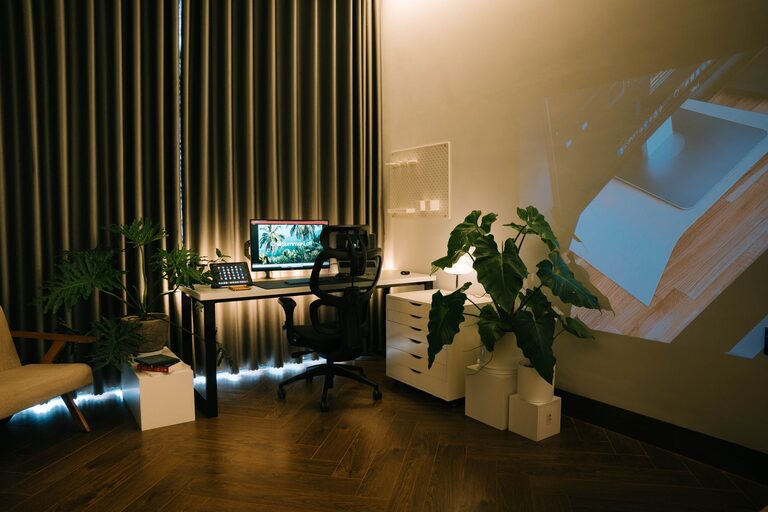
How to Create a Relaxing Home Workspace for Better Focus
Creating a relaxing home workspace is essential for maintaining productivity and well-being, especially as more people work remotely. A calm environment can reduce stress, improve focus, and help you enjoy your workday. If your current setup feels chaotic or uninspiring, don’t worry! This guide will walk you through practical steps to transform your space into a comfortable, inviting area where you can work effectively.
Why a Relaxing Workspace Matters
Before diving into the design tips, it’s important to understand why a relaxing workspace can make a difference. A cluttered or uncomfortable environment can cause distractions and increase anxiety. On the other hand, a space that feels calm and organized helps your mind stay clear and focused. Creating a dedicated area for work also helps separate professional tasks from home life, which is vital for work-life balance.
Choose the Right Location
Find a Quiet Spot
Start by selecting an area in your home with minimal distractions. A quiet corner or a spare room where you can close the door is ideal. If that’s not possible, consider noise-cancelling headphones or soft background music to reduce interruptions.
Consider Natural Light
Natural light has been shown to boost mood and energy levels. Position your desk near a window if you can, but try to avoid glare on your computer screen. If natural light is limited, use warm, adjustable lighting to create a cozy atmosphere.
Set Up Ergonomic and Comfortable Furniture
Invest in a Good Chair
Comfort is key to staying relaxed during long work hours. Choose a chair that supports your back and encourages good posture. Adjustable chairs allow you to customize the height and angle for maximum comfort.
Opt for an Appropriate Desk
The size and style of your desk should match your work needs and available space. Make sure it’s sturdy and offers enough surface area for your computer, notebooks, and other essentials without feeling cramped.
Declutter and Organize
Keep Only What You Need
A cluttered desk can cause stress and reduce efficiency. Remove items that you don’t use daily. Try to keep your workspace minimal and functional.
Use Storage Solutions
Organize your supplies with shelves, drawers, or storage bins. Labeling containers can help you find things quickly and maintain order. Cable organizers keep cords tidy and prevent tangling.
Add Elements That Promote Relaxation
Incorporate Plants
Greenery can improve air quality and provide a calming effect. Small potted plants or succulents are low-maintenance options that add color and life to your space.
Use Soothing Colors
Colors influence mood. Soft, neutral tones such as light blues, greens, or beige create a tranquil environment. If you prefer brighter colors, balance them with calming accents.
Personalize with Inspiring Items
Add a few personal touches like photos, artwork, or motivational quotes. These elements make your workspace feel welcoming and boost your mood without distracting you.
Manage Noise and Distractions
Sound Control
If outside noise is a problem, try using a white noise machine or soft instrumental music to mask distractions. Earplugs are another option for blocking out sound.
Set Boundaries
Let others in your household know your work hours and space boundaries. This communication helps minimize interruptions and supports a professional atmosphere.
Maintain Air Quality and Temperature
Ventilation Matters
Fresh air can improve concentration and comfort. Open a window if possible, or use an air purifier to keep the air clean.
Comfortable Temperature
Adjust your room temperature to a comfortable level. Being too hot or too cold can negatively affect your focus.
Optimize Technology for Ease and Efficiency
Use Good Lighting for Screens
Proper lighting reduces eye strain. A desk lamp with adjustable brightness is useful, especially if you work in the evening.
Keep Devices Charged and Ready
Organize charging stations and cables to avoid clutter and keep your devices powered throughout the day.
Create a Routine for Your Workspace
Start with a Clean Desk
Begin each day by tidying your workspace. This simple habit promotes a fresh mindset and prepares you for a productive day.
Take Breaks Away from Your Desk
Step away regularly to stretch or relax your eyes. A comfortable workspace includes space for short breaks to recharge.
—
Designing a relaxing home workspace is about balance — between comfort, functionality, and personal style. By taking the time to arrange your environment thoughtfully, you can create an inspiring place where work feels less like a chore and more like a purposeful activity. Remember, your workspace should support your needs and wellbeing, so feel free to adjust and personalize it as you go. Happy working!