
Simple and Effective Ways to Reduce Food Waste at Home
Reducing food waste at home is a win-win for your budget and the environment. Each year, millions of pounds of edible food end up in the trash, contributing to greenhouse gas emissions and wasted resources. The good news is that with some simple changes in your kitchen and daily routines, you can greatly cut down on the amount of food you throw away. This guide shares practical tips on how to reduce food waste at home, from smart shopping to creative leftovers.
Why Reducing Food Waste Matters
Food waste has a surprising impact beyond just a messy trash bin. When food is discarded, all the energy, water, and labor used to produce, transport, and package it is also wasted. Plus, decomposing food in landfills releases methane, a powerful greenhouse gas contributing to climate change. By reducing food waste, you help conserve natural resources, save money, and support a healthier planet.
Plan Your Meals and Shop Smart
1. Make a Weekly Meal Plan
Planning your meals for the week helps you buy only what you need. It reduces impulse purchases and prevents buying multiples of the same ingredient that might spoil before use. Consider checking your fridge and pantry before making your list to use up what you already have.
2. Create a Detailed Shopping List
After meal planning, write a shopping list organized by sections of the store. This helps you avoid unnecessary purchases and stay focused. Stick to the list to minimize buying excess food.
3. Shop the Perimeter First
The perimeter of the grocery store typically houses fresh produce, dairy, and meats—items that spoil faster. Pick these up toward the end of your trip to prevent spoiling as you continue shopping.
Store Food Properly to Extend Freshness
1. Understand Storage Needs
Different foods have different storage requirements. For example, some fruits like apples last longer in the fridge, while others like bananas do better at room temperature. Leafy greens keep fresher when wrapped in a damp cloth in the fridge.
2. Use Clear Containers
Store leftovers and prepped ingredients in clear containers with tight lids. This makes it easier to see what you have, reducing forgotten food that ends up spoiled.
3. Label and Date Foods
Labeling containers with the date they were stored helps you track freshness and prioritize older items for use.
Practice Smart Cooking and Portion Control
1. Cook Only What You Need
Avoid cooking large portions if you know you won’t eat them all. Start with smaller servings and save extra for future meals if needed.
2. Use Leftovers Creatively
Transform leftovers into new dishes like soups, stir-fries, or sandwiches. For example, leftover roasted vegetables can be blended into a creamy soup or added to salads.
3. Freeze Excess Food
Many ingredients and meals freeze well. Portion out extras into freezer-safe containers or bags to enjoy later, reducing spoilage.
Manage Your Pantry and Fridge Wisely
1. Practice "First In, First Out" (FIFO)
Arrange new groceries behind older items so you use up the older food first. This habit helps minimize expired or forgotten products.
2. Keep Your Fridge Organized
Regularly clean your fridge and group similar items together. An organized fridge makes it easier to find what you need and prevents food from getting lost or spoiled.
3. Use Smaller Plates
Research has shown that using smaller plates can reduce the amount of food served and wasted at meals. This simple change encourages portion control.
Compost What You Can’t Use
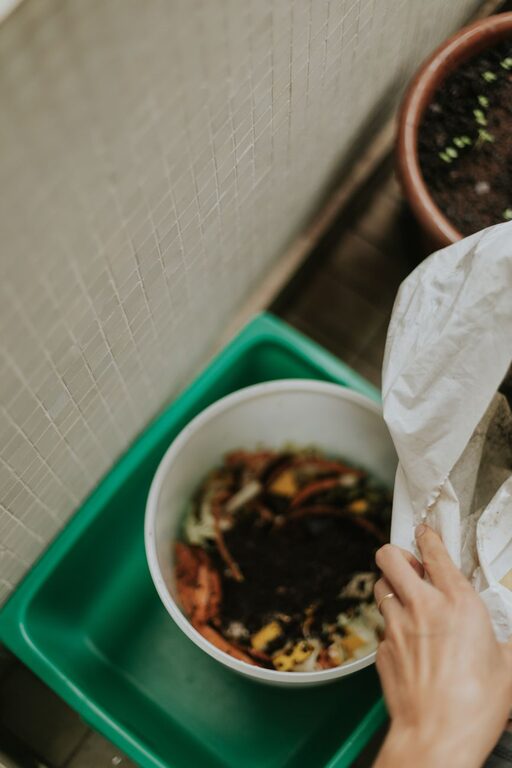
Even with the best efforts, some food scraps are unavoidable. Instead of throwing them in the trash, consider composting. Composting organic waste like vegetable peels, coffee grounds, and eggshells turns food scraps into nutrient-rich soil for your garden.
Educate and Involve Your Household
Reducing food waste is easier when everyone in your home is on board. Share these tips with family members or roommates and involve them in meal planning and cooking. Make it a team effort to minimize waste together.
Additional Tips to Reduce Food Waste
– Buy Imperfect Produce: Many stores sell “ugly” fruits and vegetables at a discount. These are just as nutritious and tasty but often go unsold.
– Use Up All Parts: Get creative by using vegetable stems, beet greens, or citrus peels in recipes or homemade stocks.
– Save Bread: Freeze extra bread slices and toast them later, or use stale bread for croutons and breadcrumbs.
– Check Expiration Dates: Understand the difference between “best by,” “sell by,” and “use by” dates. Many foods are still safe to eat after these dates if stored properly.
—
By incorporating these straightforward steps into your daily routine, reducing food waste at home becomes manageable and rewarding. Not only will you save money by making the most of your groceries, but you’ll also be contributing to a healthier planet. Start today with meal planning or organizing your fridge, and notice the positive impact small changes can make!
